

3.jpg)
How Do Area Rugs Help To Keep Your Home Warm In Winter?
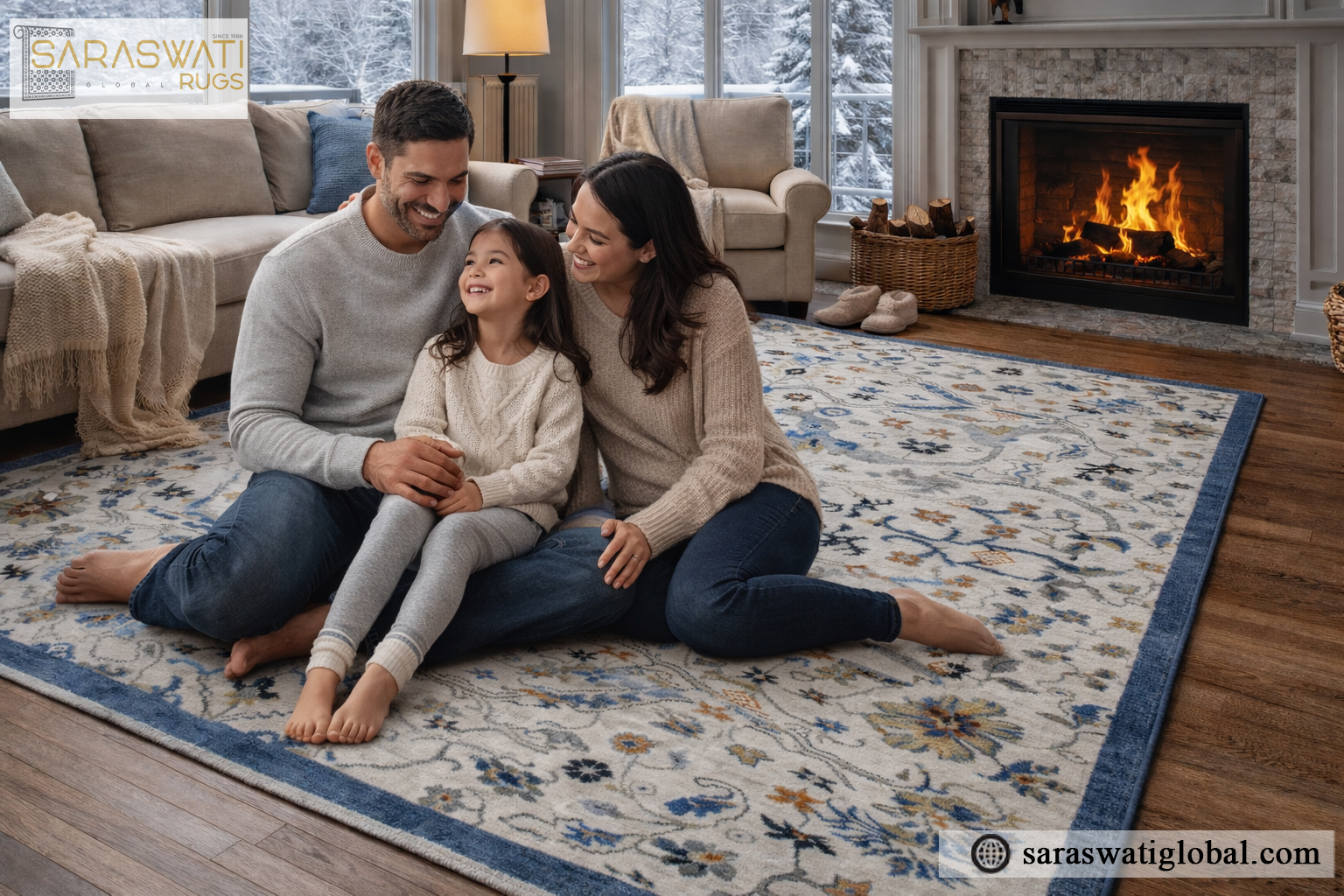
When winter arrives, most homeowners focus on heaters, insulation, and warm blankets to keep indoor spaces comfortable. Yet, one of the most effective and often overlooked ways to retain warmth inside your home is through Area Rugs. These decorative floor coverings do far more than enhance aesthetics—they create an insulating layer between your feet and the cold floor, helping maintain a cozy indoor environment throughout the colder months.
Whether you live in a region with harsh winters or mild chilly mornings, adding thoughtfully chosen rugs can significantly reduce heat loss and increase comfort. From bedrooms and living rooms to kitchens and dining spaces, the right rug placement can transform how your home feels in winter.
In this guide, we explore how rugs contribute to warmth, where to place them, what materials work best, and how accessories like area rug pads make an even bigger difference.
Why Floors Feel Colder in Winter
Most modern homes have flooring made of marble, tile, stone, or hardwood. While these surfaces are elegant and durable, they naturally absorb and retain cold temperatures. During winter, these floors become the primary source of cold air radiating into your room.
This is where premium handknotted rugs become essential. They act as a thermal barrier, preventing cold air from rising and reducing heat loss from the room.
Area Rugs as Natural Insulators
Rugs trap air within their fibers. This trapped air creates insulation that slows down the transfer of cold from the floor into the room. The thicker and denser the rug, the better its insulating properties.
Especially when paired with area rug pads, the insulating effect doubles. The pad adds an extra layer between the rug and the floor, improving both warmth and comfort underfoot.
Best Materials That Provide Warmth
Not all rugs provide the same level of insulation. Material plays a vital role.
Wool Rugs
Wool rugs are the best choice for winter warmth. Wool is a natural insulator that retains heat efficiently. It is also soft, durable, and perfect for cold floors.
Thick Pile and Dense Weaves
The density and pile height influence how much warmth the rug can provide. Thick and plush luxury handtufted rugs perform better in winter compared to flat weaves.
Bedroom Comfort: A Warm Start and End to Your Day
Nothing feels worse than stepping onto a freezing floor in the morning. Placing area rugs for bedroom spaces ensures warmth from the moment you wake up.
A large bedroom wool rug under the bed extends warmth across the room. Even a small room rug placed beside the bed can make a noticeable difference in comfort.
Living Room Warmth with Extra Large Rugs
Living rooms are often the largest spaces and hardest to keep warm. Using extra large area rugs for living room areas helps cover a significant portion of the cold flooring. This prevents heat from escaping and keeps the sitting area warmer for longer periods.
Dining Spaces Need Warmth Too
People rarely think about rugs in dining areas, but dining area rugs help prevent cold air from circulating under the table. Choosing the correct dining room rug ensures that chairs remain on the rug, maintaining both warmth and functionality. A well-sized dining rug adds comfort during long winter meals.
Kitchen Comfort During Winter
Kitchens with tile or stone flooring can feel extremely cold. Adding kitchen rugs area rugs in front of counters and sinks provides insulation while you cook. Opt for low pile carpets here, as they are easier to clean while still offering warmth.
How Area Rug Pads Increase Insulation
Many people skip rug pads, but they are essential for winter warmth. Area rug pads:
- Add an extra insulating layer
- Prevent rugs from slipping
- Increase softness underfoot
- Improve rug lifespan
This combination makes rooms noticeably warmer.
Also Read: 7 Mistakes to Avoid When Buying Runner Rugs
Choosing the Right Colors for a Warm Feel
While warmth is physical, colors also influence perception. Shades like ivory, beige, rust, and earthy tones create a visual warmth. An ivory area rug or solid area rugs in warm tones can make your space feel cozier even before you feel the physical heat.
Traditional and Vintage Styles for Cozy Interiors
Traditional area rugs and vintage area rugs often come in dense weaves and rich colors that naturally create a warm ambiance. Their intricate patterns and thick construction make them ideal for winter decor.
Small Spaces Also Benefit from Rugs
Even compact areas like entryways or reading corners can benefit from area rugs small in size. These prevent cold pockets from forming in unused parts of the room.
Custom Sized Area Rugs for Perfect Coverage
Sometimes standard sizes leave cold gaps on the floor. Custom sized area rugs allow you to cover specific areas completely, preventing exposed cold flooring.
Area Rugs Reduce Heating Costs
By preventing heat from escaping through the floor, rugs help rooms retain warmth longer. This reduces dependence on heaters, indirectly lowering electricity bills during winter.
Rugs Create a Cozy Psychological Effect
Apart from physical warmth, rugs create a sense of comfort. Soft textures, warm colors, and plush surfaces make rooms feel inviting and snug during colder months.
Also Read: Round, Square or Rectangle? Choosing Rugs That Match Your Room
Comparing Rugs to Bare Floors
| Feature | Bare Floor | With Area Rugs |
| Heat retention | Low | High |
| Comfort | Cold | Warm & soft |
| Noise | Echo | Absorbed |
| Energy efficiency | Lower | Improved |
Placement Tips for Maximum Warmth
- Under beds and sofas
- Center of living rooms
- Beneath dining tables
- In kitchen work zones
- Entryways and hallways
Strategic placement maximizes the warming benefits of rugs.
Frequently Asked Question
Que: Do Area Rugs Really Help Keep A Room Warm In Winter?
Ans: Yes, Area rugs act as an insulating layer over cold floors, reducing heat loss and preventing cold air from rising into the room.
Que: What Type Of Area Rugs Are Best For Winter Warmth?
Ans: Wool area rugs, thick pile rugs, and dense weaves provide the best insulation and warmth during winter.
Que: Do I Need An Area Rug Pad For Better Insulation?
Ans: Absolutely. Area rug pads add an extra layer between the rug and the floor, increasing warmth, comfort, and stability.
Que: Where Should I Place Area Rugs To Keep My Home Warmer?
Ans: Place rugs under beds, sofas, dining tables, and in kitchens or hallways to cover exposed cold flooring and retain heat.
Que: Are Area Rugs Suitable For Tile And Marble Floors In Winter?
Ans: Yes, Rugs are especially beneficial on tile and marble floors, as these surfaces retain cold temperatures
Final Thoughts
Winter comfort is not only about raising the thermostat. Smart interior choices like adding Area Rugs can dramatically improve how warm your home feels. From bedrooms and living rooms to kitchens and dining spaces, rugs provide insulation, comfort, and style all at once.
By choosing the right materials, sizes, and placements—and enhancing them with area rug pads—you create a home that feels cozy, energy-efficient, and inviting throughout the colder months.
For those looking to invest in premium quality rugs that combine warmth, craftsmanship, and timeless design, explore the exclusive collections from Saraswati Global and transform your winter living experience.